Why Traditional FCP Plugins Can't Fix Sample Rate Mismatch
Wiki Article
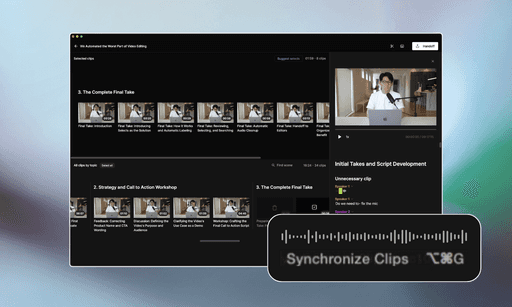
When facing a sync problem in Final Cut Pro, editors often look for a quick fix plugin—perhaps a simple utility to correct the audio. However, most traditional FCP plugins are designed to manipulate visuals or audio after the media has been successfully imported and synced. They cannot fix the fundamental technical issue causing the sync failure.
The core problem, the 44.1kHz sample rate mismatch, requires a pre-emptive solution. Relying on a standard final cut extension download for this fix is often frustrating because they simply lack the necessary deep file access.
The Limitation of FCP Plugins
Most plugins operate on the clips already within the Final Cut Pro environment. They can apply filters, transitions, or effects. They cannot, however, fundamentally alter the core properties of the original source file, which is necessary to fix the sample rate conflict.
Sample Rate is a Source File Issue
The 44.1kHz/48kHz problem is a property of the original recorded file. FCP sync fails because the imported file's properties are incompatible with the video standard. A plugin running inside FCP cannot access the source file to perform the necessary conversion.
Why Specialized Tools Are Needed
To fix the sample rate problem, you need a dedicated utility or application designed for file processing and conversion. This is why AI prep tools, though often not called a "plugin," are essential.
The Automation Gap
When searching for the best pluins for final cut pro, you should look for software that handles the critical file processing steps outside the NLE. This is the automation gap that tools like Selects by Cutback fill.
How AI Prep Tools Solved the Conversion Issue
AI tools are designed to work directly with the raw media files. They automatically detect the sample rate mismatch, perform a high-quality conversion to 48kHz, and then perform the synchronization on the standardized media.
Pre-emptive Fix
The AI fixes the audio file before FCP ever imports it. This eliminates the source of the sync failure, allowing FCP's internal tools to work flawlessly with the new, compliant media.
The Importance of a Complete Workflow
A professional FCP workflow needs to recognize the limitations of native tools. It must include robust steps for media ingestion and standardization to prevent later editing failures.
Eliminating the Failure Point
By integrating a dedicated prep tool, you eliminate the single biggest failure point in the FCP sync workflow, ensuring every project starts on a stable foundation.
Conclusion
Don't waste time trying to fix a source file problem with an editing effect. Sample rate mismatch requires external conversion. Embrace specialized AI prep tools that automate this critical step, allowing you to bypass manual conversion and achieve guaranteed sync success.
Report this wiki page